Friday, 6 November 2015

Pe-Stand Up Comedy "Dodit Mulyanto"

Dodit Mulyanto (lahir di Blitar, Jawa Timur, 30 Juni 1985; umur 30 tahun) adalah pelawak tunggal berkebangsaan Indonesia. Namanya mulai dikenal secara luas setelah dia mengikuti kompetisi stand up comedy Indonesia (SUCI) di Kompas TV. Ciri khas yang paling mudah diingat dalam penampilan Dodit saat di panggung adalah pembawaannya yang kalem dan membawa biola, meski kadang tidak dimainkan.

Ciri khas

Sebagai komedian ia selalu membawa karakter khas nya sebagai apa yang disebut "Pria Jawa yang memegang erat budaya Eropa". Selain itu dalam banyak penampilannya ia selalu membawa biola sebagai penunjang penampilannya.Ia juga memiliki ciri khas lain seperti membuka penampilannya dengankata kata “Hai guys… Selamat malam penggemar, masyarakat, penduduk, khalayakramai” dan melontarkan gombalan (rayuan) kepada salah satu penonton perempuan seperti" Ini panah cinta buat kamu, iya kamu…". Dodit selalu menggambarkan dirinya sebagai seseorang yang memiliki masa kecil yang senang bermain di sawah dan hal ini terkada
ng dimasukkannya kedalam materi komedinya. Selain itu, ia memiliki kebiasaan unik sebelum tampil dalam shownya: sepuluh menit sebelum tampil ia menarik nafas panjang, melakukan gerakan ala tai chi, lantas berteriak-teriak, lima menit kemudian ia minum air putih banyak-banyak lalu duduk diam tanpa mau diganggu. Sejak SUCI 4 Show 8, Raditya Dika menjadi sasaran Dodit ketika ia sedang bercanda.


Thursday, 5 November 2015

LENNY BRUCE

Leonard Alfred Schneider (October 13, 1925 – August 3, 1966), better known by his stage name Lenny Bruce, was an American stand-up comedian, social critic, satirist, and screenwriter. He was renowned for his open, free-style and critical form of comedy which integrated satire, politics, religion, sex, and vulgarity. His 1964 conviction in an obscenity trial was followed by a posthumous pardon, the first in New York State history, by then-Governor George Pataki in 2003. He paved the way for future outspoken counterculture-era comedians, and his trial for obscenity is seen as a landmark for freedom of speech in the United States.

Early life

Lenny Bruce was born Leonard Alfred Schneider in Mineola, New York, grew up in nearby Bellmore, and attended Wellington C. Mepham High School His parents divorced when he was five years old (the documentary Lenny Bruce: Swear to Tell the Truth claims he was eight years old), and Lenny lived with various relatives over the next decade. His British-born father, Myron (Mickey) Schneider, was a shoe clerk and Lenny saw him very infrequently. The 1940 census shows Myron (34) and Dorothy (36) Schneider and son, Leonard (14), living on Long Island at 710 Hughes Street, Bellmore, New York. Mickey later moved to Arcadia, California and became a podiatrist. Bruce's mother, Sally Marr (real name Sadie Schneider, born Sadie Kitchenberg), was a stage performer and had an enormous influence on Bruce's career.
After spending time working on a farm, Bruce joined the United States Navy at the age of 16 in 1942, and saw active duty during World War II aboard the USS Brooklyn (CL-40) fighting in Northern Africa, Palermo, Italy in 1943 and Anzio, Italy in 1944. In May 1945, after a comedic performance for his ship-mates in which he was dressed in drag, his commanding officers became upset. He defiantly convinced his ship's medical officer that he was experiencing homosexual urges. This led to his Dishonorable Discharge in July 1945. However, he had not admitted to or been found guilty of any breach of naval regulations and successfully applied to have his discharge changed to "Under Honorable Conditions ... by reason of unsuitability for the naval service".In 1959, while taping the first episode of Hugh Hefner's Playboy's Penthouse, Bruce talked about his Navy experience and showed a tattoo he received in Malta in 1942.
After a short stint in California spent living with his father, Bruce settled in New York City, hoping to establish himself as a comedian. However, he found it difficult to differentiate himself from the thousands of other show business hopefuls who populated the city. One locale where they congregated was Hanson's, the diner where Bruce first met the comedian Joe Ancis who had a profound influence on his approach to comedy. Many of Bruce's later routines reflected his meticulous schooling at the hands of Ancis. According to Bruce's biographer, Albert Goldman, Ancis' humor involved stream-of-consciousness sexual fantasies, references to jazz, and stories of Jewish domesticity.
Lenny took the stage as "Lenny Marsalle" one evening at the Victory Club, as a stand-in master of ceremonies for one of his mother's shows. His ad-libs earned him some laughs. Soon afterward, in 1947, just after changing his last name to Bruce, he earned $12 and a free spaghetti dinner for his first stand-up performance in Brooklyn, New York. He was later a guest — and was introduced by his mother, who called herself "Sally Bruce" — on the Arthur Godfrey's Talent Scouts radio program, doing a Sid Caesar-inspired bit "The Bavarian Mimic" featuring impressions of American movie stars (e.g., Humphrey Bogart, James Cagney, and Edward G. Robinson).

Career

Bruce's early comedy career included writing the screenplays for Dance Hall Racket in 1953, which featured Bruce, his wife, Honey Harlow, and mother, Sally Marr, in roles; Dream Follies in 1954, a low-budget burlesque romp; and a children's film, The Rocket Man, in 1954. He also released four albums of original material on Berkeley-based Fantasy Records, with rants, comic routines, and satirical interviews on the themes that made him famous: jazz, moral philosophy, politics, patriotism, religion, law, race, abortion, drugs, the Ku Klux Klan, and Jewishness. These albums were later compiled and re-released as The Lenny Bruce Originals. Two later records were produced and sold by Bruce himself, including a 10-inch album of the 1961 San Francisco performances that started his legal troubles. Starting in the late 1950s, other unissued Bruce material was released by Alan Douglas, Frank Zappa and Phil Spector, as well as Fantasy. Bruce developed the complexity and tone of his material in Enrico Banducci's North Beach nightclub, "The hungry i," where Mort Sahl had earlier made a name for himself.
Branded a "sick comic" - though it was the perceived "sickness" of modern society that he was railing about - Lenny was essentially blacklisted from television, and, when he did appear thanks to sympathetic fans like Steve Allen or Hugh Hefner, it was with great concessions to Broadcast Standards and Practices. Jokes that might offend, like a bit on airplane glue-sniffing teens done live for "The Steve Allen Show" in 1959, had to be typed out and pre-approved by network officials.
His growing fame led to appearances on the nationally televised Steve Allen Show, where he made his debut with an unscripted comment on the recent marriage of Elizabeth Taylor to Eddie Fisher, wondering, "will Elizabeth Taylor become bat mitzvah?" On February 3, 1961, in the midst of a severe blizzard, he gave a famous performance at Carnegie Hall in New York. It was recorded and later released as a three-disc set, titled The Carnegie Hall Concert. In the liner notes, Albert Goldman described it as follows:
This was the moment that an obscure yet rapidly rising young comedian named Lenny Bruce chose to give one of the greatest performances of his career. ... The performance contained in this album is that of a child of the jazz age. Lenny worshipped the gods of Spontaneity, Candor and Free Association. He fancied himself an oral jazzman. His ideal was to walk out there like Charlie Parker, take that mike in his hand like a horn and blow, blow, blow everything that came into his head just as it came into his head with nothing censored, nothing translated, nothing mediated, until he was pure mind, pure head sending out brainwaves like radio waves into the heads of every man and woman seated in that vast hall. Sending, sending, sending, he would finally reach a point of clairvoyance where he was no longer a performer but rather a medium transmitting messages that just came to him from out there — from recall, fantasy, prophecy.
A point at which, like the practitioners of automatic writing, his tongue would outrun his mind and he would be saying things he didn't plan to say, things that surprised, delighted him, cracked him up — as if he were a spectator at his own performance!

Personal life

Bruce met his future wife, Honey Harlow, a stripper from Baltimore, Maryland, in 1951. They were married that same year, and Bruce was determined to have her end her work as a stripper.
In 1953, Bruce and Harlow eventually left New York for the West Coast, where they got work as a double act at the Cup and Saucer in Los Angeles, California. Bruce then went on to join the bill at the club Strip City. Harlow found employment at the Colony Club, which was widely known to be the best burlesque club in Los Angeles at the time.
In late 1954, Bruce left Strip City and found work within the San Fernando Valley at a variety of strip clubs. As the master of ceremonies, his job was to introduce the strippers while performing his own ever-evolving material. The clubs of the Valley provided the perfect environment for Bruce to create new routines: according to Bruce's primary biographer, Albert Goldman, it was "precisely at the moment when he sank to the bottom of the barrel and started working the places that were the lowest of the low" that he suddenly broke free of "all the restraints and inhibitions and disabilities that formerly had kept him just mediocre and began to blow with a spontaneous freedom and resourcefulness that resembled the style and inspiration of his new friends and admirers, the jazz musicians of the modernist school."
Honey and Lenny's daughter Kitty Bruce was born in 1955.He had an affair with the jazz singer Annie Ross in the late 1950s. In 1959, Lenny's divorce from Honey was finalized.
Bruce dated actress Faye Dunaway for a time in the 1960s.


Wednesday, 4 November 2015

Belajar Mudah Standup Comedy

Standup comey berbeda dengan Joke Telling. Ciri khusus stand-up comedy adalah materinya tidak nyomot, tapi hasil dari pemikirannya sendiri. Sedangkan joke telling adalah melucu sambil melemparkan anekdot, tebak-tebakan, lelucon yang ia kumpulkan dari berbagai sumber, misalnya dari internet, buku, broadcast message, dan lain-lain.

Di Indonesia sendiri,jenis komedi ini sebenarnya sudah ada sejak dahulu. Nama-nama seperti Taufik Savalas (Stasiun Trans tv), Butet Kertaradjasa, dan Ramon P. Tommybend. Dan dari perkembangan terakhir muncul nama baru seperti Raditya Dika,Sammy Notaslimboy,Panji Pragiwaksono,dan masih banyak nama nama yang tidak mungkin saya sebutkan disini.

Belajar Standup Comedy sebenarnya bukan lah hal yang sulit jika kita betul betul serius dalam mempelajari teknik tekniknya. Saya sendiri sedang belajar jenis komedi yang membutuhkan kejelian kita dalam menangkap fenomena fenomena yang terjadi untuk kemudian di susun menjadi sebuah materi ini .Di dalam materi standup comedy itu sendiri ada yang di sebut dengan joke atau lelucon. Apa itu joke ? joke itu terdiri dari 2 bagian,yaitu set-up dan punchline. satuan materi yang terdiri dari set-up dan punchline disebut dengan bit.

Set-up adalah bagian yang tidak lucu dari sebuah bit, biasanya premis atau pengantar dari bit tersebut ke bagian yang lucu.

Punchline adalah bagian yang lucu cari sebuah bit. Biasanya membalikan premis atau memberikan sesuatu yang mengejutkan sebagai penutup dari set-up atau premis tadi. Karena efek mengejutkannya itu maka disebut PUNCH-line. Kalimatnya harus "nonjok".

Bit : Saya itu paling suka sama cewek yang jago masak. Menurut saya cewek yang jago masak itu seksi. Seksi konsumsi.

Set-up disini adalah Saya itu paling suka sama cewek yang jago masak. Menurut saya cewek yang jago masak itu seksi. Saya mengarahkan penonton untuk mengharapkan sesuatu yang seksi dari cewek yang jago masak. Dan di akhir bit saya menggunakan kata seksi konsumsi. Penonton yang tidak siap dengan perubahan tersebut merasa tergelitik dan akhirnya timbulah tawa.

One Liner
Bit singkat yang hanya terdiri dari satu sampai tiga kalimat. One liner merupakan teknik paling simpel di dalam stand up comedy, tetapi selain simpel ini juga memerlukan pemikiran yang lebih keras daripada teknik lainnya


Akhir akhir ini, Standup Comedy begitu popular di jagad hiburan Indonesia. Standup Comedy adalah Sebuah genre di dalam komedi, biasanya satu orang di atas panggung melakukan monolog yang lucu dan memberikan pengamatan, pendapat, atau pengalaman pribadinya. Mengutarakan keresahan, mengangkat kenyataan, memotret kehidupan sosial masyarakat, dan menyuguhkannya kembali kepada masyarakat dengan jenaka.

Standup comey berbeda dengan Joke Telling. Ciri khusus stand-up comedy adalah materinya tidak nyomot, tapi hasil dari pemikirannya sendiri. Sedangkan joke telling adalah melucu sambil melemparkan anekdot, tebak-tebakan, lelucon yang ia kumpulkan dari berbagai sumber, misalnya dari internet, buku, broadcast message, dan lain-lain.

Di Indonesia sendiri,jenis komedi ini sebenarnya sudah ada sejak dahulu. Nama-nama seperti Taufik Savalas, Butet Kertaradjasa, dan Ramon P. Tommybend. Dan dari perkembangan terakhir muncul nama baru seperti Raditya Dika,Sammy Notaslimboy,Panji Pragiwaksono,dan masih banyak nama nama yang tidak mungkin saya sebutkan disini.

Belajar Standup Comedy sebenarnya bukan lah hal yang sulit jika kita betul betul serius dalam mempelajari teknik tekniknya. Saya sendiri sedang belajar jenis komedi yang membutuhkan kejelian kita dalam menangkap fenomena fenomena yang terjadi untuk kemudian di susun menjadi sebuah materi ini .Di dalam materi standup comedy itu sendiri ada yang di sebut dengan joke atau lelucon. Apa itu joke ? joke itu terdiri dari 2 bagian,yaitu set-up dan punchline. satuan materi yang terdiri dari set-up dan punchline disebut dengan bit.

Set-up adalah bagian yang tidak lucu dari sebuah bit, biasanya premis atau pengantar dari bit tersebut ke bagian yang lucu.

Punchline adalah bagian yang lucu cari sebuah bit. Biasanya membalikan premis atau memberikan sesuatu yang mengejutkan sebagai penutup dari set-up atau premis tadi. Karena efek mengejutkannya itu maka disebut PUNCH-line. Kalimatnya harus "nonjok".

Sebagai contoh sederhana nya

Bit : Saya itu paling suka sama cewek yang jago masak. Menurut saya cewek yang jago masak itu seksi. Seksi konsumsi.

Set-up disini adalah Saya itu paling suka sama cewek yang jago masak. Menurut saya cewek yang jago masak itu seksi. Saya mengarahkan penonton untuk mengharapkan sesuatu yang seksi dari cewek yang jago masak. Dan di akhir bit saya menggunakan kata seksi konsumsi. Penonton yang tidak siap dengan perubahan tersebut merasa tergelitik dan akhirnya timbulah tawa.

Dan di standup comedy itu ada beberapa teknik teknik yang harus di kuasai oleh comic atau standup comedian. Berikut ini beberapa di antaranya


One Liner

Bit singkat yang hanya terdiri dari satu sampai tiga kalimat. One liner merupakan teknik paling simpel di dalam stand up comedy, tetapi selain simpel ini juga memerlukan pemikiran yang lebih keras daripada teknik lainnya

Contoh one liner :

Set up: Selamat malam, gimana penampilan saya hari ini?

Punch line: Udah kayak Bunda Dorce belum?


Rule Of Three

Sedangkan rule of three adalah teknik penggunaan tiga kalimat, dua kalimat awal digunakan sebagai set up, satu kalimat terakhir digunakan sebagai punch line.


Contoh rule of three:

Set up 1: Ngajarin Messi untuk main bola itu kayak ngajarin ahmad dani bikin lagu.

Set up 2: Ngajarin Deddy cara main sulap.

Punch line: Atau ngajarin Syahrini cara bedakan.


Akhir akhir ini, Standup Comedy begitu popular di jagad hiburan Indonesia. Standup Comedy adalah Sebuah genre di dalam komedi, biasanya satu orang di atas panggung melakukan monolog yang lucu dan memberikan pengamatan, pendapat, atau pengalaman pribadinya. Mengutarakan keresahan, mengangkat kenyataan, memotret kehidupan sosial masyarakat, dan menyuguhkannya kembali kepada masyarakat dengan jenaka.

Standup comey berbeda dengan Joke Telling. Ciri khusus stand-up comedy adalah materinya tidak nyomot, tapi hasil dari pemikirannya sendiri. Sedangkan joke telling adalah melucu sambil melemparkan anekdot, tebak-tebakan, lelucon yang ia kumpulkan dari berbagai sumber, misalnya dari internet, buku, broadcast message, dan lain-lain.

Di Indonesia sendiri,jenis komedi ini sebenarnya sudah ada sejak dahulu. Nama-nama seperti Taufik Savalas, Butet Kertaradjasa, dan Ramon P. Tommybend. Dan dari perkembangan terakhir muncul nama baru seperti Raditya Dika,Sammy Notaslimboy,Panji Pragiwaksono,dan masih banyak nama nama yang tidak mungkin saya sebutkan disini.

Belajar Standup Comedy sebenarnya bukan lah hal yang sulit jika kita betul betul serius dalam mempelajari teknik tekniknya. Saya sendiri sedang belajar jenis komedi yang membutuhkan kejelian kita dalam menangkap fenomena fenomena yang terjadi untuk kemudian di susun menjadi sebuah materi ini .Di dalam materi standup comedy itu sendiri ada yang di sebut dengan joke atau lelucon. Apa itu joke ? joke itu terdiri dari 2 bagian,yaitu set-up dan punchline. satuan materi yang terdiri dari set-up dan punchline disebut dengan bit.

Set-up adalah bagian yang tidak lucu dari sebuah bit, biasanya premis atau pengantar dari bit tersebut ke bagian yang lucu.

Punchline adalah bagian yang lucu cari sebuah bit. Biasanya membalikan premis atau memberikan sesuatu yang mengejutkan sebagai penutup dari set-up atau premis tadi. Karena efek mengejutkannya itu maka disebut PUNCH-line. Kalimatnya harus "nonjok".

Sebagai contoh sederhana nya

Bit : Saya itu paling suka sama cewek yang jago masak. Menurut saya cewek yang jago masak itu seksi. Seksi konsumsi.

Set-up disini adalah Saya itu paling suka sama cewek yang jago masak. Menurut saya cewek yang jago masak itu seksi. Saya mengarahkan penonton untuk mengharapkan sesuatu yang seksi dari cewek yang jago masak. Dan di akhir bit saya menggunakan kata seksi konsumsi. Penonton yang tidak siap dengan perubahan tersebut merasa tergelitik dan akhirnya timbulah tawa.

Dan di standup comedy itu ada beberapa teknik teknik yang harus di kuasai oleh comic atau standup comedian. Berikut ini beberapa di antaranya


One Liner

Bit singkat yang hanya terdiri dari satu sampai tiga kalimat. One liner merupakan teknik paling simpel di dalam stand up comedy, tetapi selain simpel ini juga memerlukan pemikiran yang lebih keras daripada teknik lainnya

Contoh one liner :

Set up: Selamat malam, gimana penampilan saya hari ini?

Punch line: Udah kayak Bunda Dorce belum?

Rule Of Three

Sedangkan rule of three adalah teknik penggunaan tiga kalimat, dua kalimat awal digunakan sebagai set up, satu kalimat terakhir digunakan sebagai punch line.

Contoh rule of three:

Set up 1: Ngajarin Messi untuk main bola itu kayak ngajarin ahmad dani bikin lagu.

Set up 2: Ngajarin Deddy cara main sulap.

Punch line: Atau ngajarin Syahrini cara bedakan.

Act Out

Menggunakan gerakan sebagai pengganti kalimat. Biasanya act out memiliki tingkat keberhasilan yang tinggi jika digunakan sebagai punch line.

Contoh act out:

Set up: Ada cowok keren cuy, pake handphone touch screen.

Punch line: Tapi pake ludah. *sambil memainkan screen hp dengan jari yang telah dibasahi ludah, seperti ketika menghitung uang.

Call Back

Menurut saya teknik ini adalah yang paling sulit untuk dilakukan. call back itu adalah teknik yang menggunakan punch line pada bit-bit sebelumnya sebagai punch line pada bit sekarang. Sehingga contoh susunan penampilan stand up berbentuk seperti berikut:

Set up 1 – punch line 1, set up 2 – punch line 2, set up 3 – punch line 1.

Contoh call back yang digunakan oleh Ernest Prakasa salah seorang comic terkenal:

Bit 1: Sekarang era digital, dan menurut gue bohong lewat BBM atau SMS itu lebih gampang daripada bohong face to face. Salah satu kebohongan paling sering dilakukan orang bahkan cuma 3 huruf: “OTW”. Temen lo udah BBM lo dengan panik: “PING!!! Bro, dimana lo, gue udah sampe nih!”, trus lo bales: “OTW bro!”. Padahal baru bangun tidur, masi kriyep-kriyep sambil garuk-garuk biji.

Bit 2: Kalo Tuhan punya twitter, ada yang minta folbek ga ya? Kalo iya, mungkin Tuhan akan jawab: “OK, tapi kita kopdar dulu ya”. Trus Tuhan twit ke @Malaikat_Pencabut_Nyawa: “Bro tolong dijemput bro”. Trus malaikatnya bales: “OTW bro!”.

ketika kita sukses membuat penonton tertawa sepanjang set kita itu di sebut dengan nge Kill

dan ketika kita gagal bikin penonton tertawa alias garing itu di sebut dengan nge Bomb

Itulah beberapa teknik teknik dalam standup comedy yang saya ketahui. Sebenarnya masih banyak lagi teknik teknik yang lainnya. Ketika kita ingin menyusun sebuah materi usahakan menggunakan hasil pemikiran sendiri dan jangan menggunakan materi orang lain. Dan yang terpenting dalam menyusun sebuah materi untuk standup adalah hindari materi yang mengandung SARA. Karena bisa saja materi yang mengandung SARA menimbulkan masalah bagi di kemudian hari.

Dikutip dari : http://www.kompasiana.com/


How to Get Started in Stand up Comedy

"Making it" as a stand up comic is a goal desired by many, but enjoyed by few. However, with the right combination of determination, practice, and hustle, it's absolutely within the grasp of a talented amateur. The potential to be the next great stand up comic is yours - get on stage and start sharing your laughter with the world!

1. Keep a notebook with you at all times. Take notes as funny thoughts come to you or write down  strange occurrences that strike your funny bone. 
2. Buy some sort of book to learn how to write a joke (or read this article: Write a Good Joke). 
3. Understand your on-stage persona or attitude. Are you a deadpan comic? An angry comic? Brutally sarcastic and ironic? Goofy? Let your persona match your writing. 
4. Try your hand at writing jokes. Most good jokes come from the intersection of two seemingly unrelated ideas, or from a formerly unexplored observation about something most people overlook on a daily basis. 
5. Write a small routine and perform your "set" in front of a mirror. Note the things about the delivery of your jokes that you like, and also the things you don't. You can also try video-taping yourself.. Note verbal ticks like "Um," and "Uh..." and minimize, unless your persona is awkward and nervous. 
6. Work on your confidence and make memorized material seem spontaneous. If you use a different voice when you're reciting memorized speech try to transform it into something more conversational. 
7. Write more jokes. The more you write, the easier they come. Some days you'll have five or six jokes to record, and some days you'll have none. You should, however, be starting to create quite a backlog of material. 
8. Re-write your jokes. Rarely are perfect jokes written at 2AM. Make sure your jokes will be understood by the audience, and re-write if needed.
9. Find an "Open Mic" venue nearby and sign up. If you can call ahead of time and secure yourself a spot, you will be unable to back out. 
10. Finalize your set. Run through it a few times; it should be anywhere from five to ten minutes long. For your first set don't worry so much about time. Five minutes is plenty, and when the microphone is in your hand, time slips away faster than normal.
  • Leave about thirty to forty-five seconds total of "laugh time"-time when the audience is laughing at your jokes.
11. Organize a "social safety net." Call friends you know will be supportive, and have them come to watch. This way, even if you bomb, you'll have people to laugh at your jokes.

12. Stand up. Leave the microphone in the stand if you'd like, or take it out. It's recommended you take it out if it's your first time; the feeling of a microphone in your hand and the freedom to move around while you speak puts you in quite a bit of control.
  • Take your time, making sure not to mumble or speed through your delivery. Enunciate. Speak loudly enough that even those in the back can hear. Maintain eye contact with the crowd. Smile, but don't laugh at your own jokes. Be prepared for shout-outs and heckles.
13. Know when you're done. Either you've reached the end of your set or you've just gotten a large applause for a joke you know you can't top - now's the time to thank the audience for their attention and for the time they've taken to get to know your comedic styling. A simple "You guys have been great, thank you," should be more than sufficient.

14. Stay for the other acts. You've done your thing, and now it's only polite to watch some of the other regulars. More importantly, there's a chance another stand up comic will...well, stand up. You'll either know you were better than him (or her), or you'll be able to learn something from him (or her).

Rebel Comedy: Stand-Up In Saudi Arabia 


We, as Americans, get pretty jaded about stand-up comedy. After all, you see one too many unfunny hacks at places like The Chuckle Hut in Kenosha, Wisconsin, and it’s hard to remember how important it is as an art. Comedian’s like Lewis Black, George Carlin, and Andy Kaufman were no less artists than any author or painter.
Well, a BBC News report shows how important comedy really is in Saudi Arabia, a country with severe restrictions on free speech.  Simple things like cursing, sex jokes, and even women doing comedy are not legal, but that doesn’t stop Saudi comedians. They risk their freedom (and possibly life) performing in secret shows in more remote places away from the mutaween (Saudi religious police).
So while we might take stand-up for granted, with all of it’s two-drink-minimums and schlocky jokes, it is important to remember the impact a laugh can make.

What kind of places did you perform at? Does Saudi Arabia have comedy clubs?


No, that first show of mine could have been busted at any second. They have this group of people called the Haya. They all have long beards, and they are really ignorant. Whenever people throw parties or whenever guys and girls are hanging out together and these guys come in, it’s all over. They grab you, they take you to jail, they call your parents, and they mess everything up. At any second these people could have rushed in and stopped our shows. So we chose really remote areas away from the cities to do our shows, and then we realized we could do shows in places like the Italian Club, which is actually part of the Italian consulate.
Over time, [the authorities] started to accept stand-up comedy. They started to realize that people need something to do on the weekends. People aren’t making fun of the government necessarily, and they are not going to change the system. The government is afraid of people becoming too advanced and coming together; they don’t want them to be too Westernized. But now stand-up comedy is coming to be sponsored by big national companies. It’s become legit.
I imagine they are still not allowed to criticize the government or the royal family.
No, but the thing is, whenever a business is successful, the royal family wants in on it. They say, “We’ll give you some money and take this business from you.” That’s kind of what happened with comedy. The first production company was called Smile Productions, run by a British guy named Peter Howarth-Lees. And then the prince came into it and started a company called Luxury Events and just took over. It’s always like that.

A promo for Luxury Events.
What kind of crowds showed up to these performances?
At first it was a lot of expats. But then more and more it’d be locals, Saudis, guys and girls. And there would even be some religious people. I remember doing a show where one of the comedians, a Saudi friend of mine who calls himself “the Cool Terrorist,” was doing some jokes and really pushing it in terms of profanity, you know? There was one guy in the front row who looked to be very religious with the beard and everything, and his wife was completely ninja’d out with just her eyes showing. After his performance, my friend felt so guilty, he actually went up to this religious man and said, “I apologize for my use of language. I hope I didn’t offend you.” And the guy was like, “Look I have a long beard but I really enjoyed it. I thought it was awesome and I wish you the best.”
So how did you come to leave Saudi Arabia? One thing I don’t understand is that you were born there, but never had citizenship.
It doesn’t matter if you’re born in Saudi Arabia, it doesn’t matter how long you live there, it doesn’t matter if you work there, or if you go to school there. You’re still considered an expat. I have friends who are American and live in Saudi Arabia, who are married to Saudi women and have children with them, but they still don’t have residency permits, which are called Iqamas. If you don’t have an Iqama or a job that sponsors you in the country, you just gotta get the hell out. It’s crazy.
I was sponsored by my job at an English-language teaching institute, which was fine, and then they started to pay us really late. So I quit and n found a job at a university. And when you change jobs you need to go to your previous company to transfer your Iqama—but when I tried to do that they said that I ran away, so I couldn’t get any of the money that they owed me or a new permit or anything. They just completely screwed me over. And this is actually quite common, especially among the people from India or Pakistan or Bangladesh; the guys who do the manual labor. They all get screwed over this way. Once this happens to you, you have no rights. If you have money in your bank account, you can’t access it. I couldn’t even sell my car that was in my name.
There were lots of things going on in my life at the time. I had fallen in love with a Saudi girl and had been with her for two years, then she told me that once she graduated college her dad was going to force her to marry someone.
So I was in this phase where I really didn’t care about anything. I was illegal, I couldn’t marry my girl, and she was going to marry someone else very soon—and on top of that, I got kicked out of my apartment building because this guy who was staying on my couch called my neighbor’s wife a bitch.

Stand-Up Comic in Saudi Arabia


Breaking into stand-up comedy is notoriously hard in Western countries where there’s an infrastructure of clubs and agents and laws that allow performers to say pretty much whatever they want. But in Saudi Arabia, where the notoriously oppressive government still uses beheading as a punishment and women aren’t allowed to drive, among other things, it’s nearly impossible to be a comedian. The country’s stand-up scene is “burgeoning,” to be kind, or “pretty much nonexistent,” if you want to be mean.
So when Ahmed Ahmed, the Egyptian-American comedian, was performing in Saudi Arabia in 2008 and the bookers wanted to find some locals to open for him, they had to hold auditions to find ordinary people who were funny enough to get onstage and tell jokes. An English teacher named Omar Ramzi got a Facebook message that said auditions were being held, tried out, and soon found himself in front of a thousand people doing stand-up for the very first time.
Omar stuck with comedy, and four years after his debut he had become famous enough to acquire a nickname (“the White Sudani”), made good money doing underground comedy gigs, and was featured on national TV and in the Saudi Gazette, an English-language daily newspaper. The catch was that despite being born and raised in Saudi Arabia, Omar had never received Saudi citizenship and was living illegally in the country thanks to a string of mishaps. After navigating the not-funny joke that is the Saudi bureaucracy, he eventually managed to flee to Cairo. I reached out to him through Skype to talk about the turns his life has taken.
VICE: So your nickname is "the White Sudani”? How did that happen?
Omar Ramzi: Yeah. See, my mother’s Irish and my dad is Sudanese, and obviously most Sudanese people are dark-skinned, with African origins, but there is a small minority of white Sudanese that came from North Africa, Morocco, Tunisia, and places like that. My dad is from that small minority. We’re like the bluefin tuna of the human race—almost extinct.
What was it like growing up as part of that tiny minority?
So, I was born in Jeddah, Saudi Arabia, but I lived a very different life than most people—I lived in a compound, which is like a gated community. There’s several of them all over the country. The one that I lived in was called Saudia City, which is for the employees of Saudi Airlines. They had everything: They had their own schools—American schools, British schools—medical centers, pools... It was like a little city where the rules of the country did not apply. Women could drive and wear whatever they wanted to. There were parties and alcohol. And just outside the gate, you would see women all covered up with the black [burqa], like all ninja’d out, you know? They were like completely different worlds.
When you started doing stand-up, you were doing it in that wider world of Saudi Arabia. What was that like? It must be a lot different from what I think of as stand-up in America.
The thing is, in the West, heckling is part of the norm in stand-up comedy. In this part of the world they don’t know about heckling. There’s no such thing. People sit down and they will respect you, even if you suck ass.

That must be nice.
Yeah, but it’s a bit of a challenge because they had a lot of rules. You can’t use profanity. You can’t talk about the government. You can’t talk about the royal family. You can’t talk about religion. So what is left to talk about? What is left to make fun of? I ended up making fun of the students I was teaching English to. I’ll tell you one of my jokes. I was teaching them the difference between “to” and “too.” After like three weeks of going through it, I thought, They must finally understand. So I asked who could give me an example of the difference between the words.

Menurunnya SUCI Kompas TV di Grand Final SUCI 5 dan Kaitannya dengan Teori Komunikasi Visual


Sekitar beberapa jam yang lalu kita semua yang suka Stand Up Comedy akan nonton Grand Final Stand Up Comedy Indonesia season 5. Saya termasuk yang mempunya ekspektasi tinggi akan betapa pecahnya Grand Final kali ini mengingat ketiga Grand Finalis adalah termasuk hitungan Kontestan yang punya materi unik serta kalau pecah itu gak nanggung-nanggung. Tapi, semuanya sirna ketika pertama yang nampil Rahmet di Babak pertama. Saya akan membahas dulu apa yang terjadi di Grand Final dan akan coba mengkaitkan dengan Komunikasi Visual.
Rahmet seperti berasa kikuk karena harus roasting Rigen dan Indra padahal biasanya membawa materi STM. Apalagi wajah Rahmet yang terkesan memang grogi terutama pas duduk di kursi Grand Finalis. Di babak kedua ini juga Indra jatuh sejatuhnya. Bagaimana Indra tidak bisa mengontrol cara bicaranya. Ketika harus ngomong one liner tapi malah belibetan. Kedua Komika yang sering punya nilai tinggi saat penyisihan ini jadi terkesan lupa materi dan tidak powerfull. Padahal Indra tergolong jago roasting tapi semuanya tadi sirna entah kenapa. Uniknya, Rigen yang nampil setelah mereka berhasil menampilkan sedikit lebih baik. Sebagai Underdog yang memang dikesankan lebih bermain aman dan tidak se-meledak Rahmet atau Indra dalam hal materi kala di penyisihan membuat Rigen lebih santai. Ya karena memang Rigen jago Roasting bagian inilah yang dia sukai dan sedikit lebih baik daripada kedua Grand Finalis. Rigen menang di babak pertama walau LPM tidak bisa dianggap bagus untuk di Final karena kurang powerfull.
Di babak kedua yang semakin kasian adalah Indra. Ya materi Paraprodoskian (permainan kata) yang lebih absurd daripada Akbar (di SUCI 1) tidak muncul sama sekali di Grand Final. Malah Indra terganggu dengan busana yang dia pakai dan membuatnya blank. Apa mungkin pengaruh Final sebegitunya? Saya tidak tahu karena gak pernah masuk Final SUCI, lha wong audisi aja gagal ahaha. Rigen sempat menurun disini karena memang terlalu emosional terutama dengan kaitan juara 3 SUCI 3 dan juara 2 SUCI 4 yang merupakan orang Timur. Rigen juga gagal membahas set panggung yang memang kurang kena menurut saya. Memang ada beberapa bit yang lucu tapi tidak seperti babak pertama. Babak kedua ini milik Rahmet. Pas Rahmet bisa mendapatkan momen membahas materi yang related dengan dia jadinya powerfull dan meledak-ledak. Apalagi Rahmet bisa memainkan gimmick tertentu dan membawa materi seakan nyata di panggung dengan teman-teman korban materi STM nya. Babak kedua Rahmet menang.
Sembari menunggu babak ketiga, saya sempat komunikasi dengan teman-teman di StandUpUnitel (Stand Up Comedy Universitas Telkom) dan hampir semua sepakat bahwa ini adalah final yang kurang di mata kami. Sampai-sampai kita berdiskusi final mana yang bagus. Banyakan bilang Final SUCI 3. Saat itu di Final ada Babe yang jago Act Out dan Fico yang materinya polos dan apa adanya.
Kemudian kita lanjut ke babak terakhir. Mereka harus membawa materi selama 7 menit dengan wajib ada 6 teknik Stand Up Comedy yaitu Callback, Riffing, Roasting, Heckling, Rule of Three dan Impersonate. Pertama, Rigen. Komika asal Bima ini ternyata berhasil keenam teknik itu saya sendiri mengeceknya walaupun yang terakhir ketika Impersonate dipaksakan, Riffing yang kurang dan heckling yang juga kurang pecah. Tapi setidaknya ada kelucuan yang muncul walau lagi-lagi dibawah ekspektasi final. Kemudian Rahmet yang saya lihat gagal memenuhi 6 teknik karena kurang rule of three setahu saya. Walau lumayan berhasil tapi itu bisa jadi hitungan juga nampaknya untuk kriteria penilaian. Rahmet bisa menyaingi Rigen dalam hal meraih simpati penonton walau tetap saja kurang pecah seperti biasanya seorang Rahmet (bayangkan Rahmet tidak closing seperti biasanya dengan semangat). Terakhir adalah Indra. Jika kita lihat tidak masuk hitungan juara lagi. Karena jikapun menang di babak ini dia hanya meraih satu babak dari 3 babak dan itu tidak berpengaruh untuk Grand Final kali ini. Indra bermain dengan santai dan mengakui bahwa kemungkinan menang tidak bisa lagi di materi nya. Dan setahu saya dia kurang lengkap dalam hal Riffing (entah dipotong untuk kepentingan editing) tapi yang saya lihat di tayangan ya tidak ada. Indra kurang lengkap dan closingnya blank plus tidak tahu mau tutup dengan apa. Mungkin pengaruh 2 babak sebelumnya.
Saya yang sudah berkecimpung di dunia Stand Up Comedy dari awal 2012 mencoba hitung-hitungan untuk melihat siapa yang menang. Saya condong memang kepada Rigen melihat penampilannya yang memang cari aman ketimbang bablas dan malah gagal menarik perhatian penonton. Rigen tidak se-grogi Rahmet atau Indra di babak manapun. Mental inilah yang dia punya. Bahkan motivasi Juara 1 setelah seniornya seperti Ari Kriting dan Abdur cuma juara 3 dan 2 semakin memacu penampilannya. Status underdog juga membuat Mahasiswa STT PLN ini lancar nampil tidak beban seperti Rahmet dan Indra yang sebelum Grand Final tampil konsisten dan terus bermain till limit dari kemampuan mereka. Rahmet dan Indra selalu bermain dengan materi terbaiknya. Rigen selama saya lihat di penyisihan sering bermain aman akan setiap materinya.
Yah ketika pengumuman terlihat memang Rigen yang menang. Tapi yang saya mau garis bawahi bukan kenapa Rigen yang menang sih? Tapi merosotnya SUCI Kompas TV di Grand Final SUCI 5 kali ini. Grand Final kali ini menurut saya kurang sekali jika dibilang untuk menghibur. Bahkan para bintang tamu malah lebih menghibur daripada Grand Finalis. Ya seperti David, Boris Bokir, Muslim maupun yang katanya sakit Jantung, Dodit Mulyanto. Pasti ada yang bilang lah kan mereka tidak ada beban kompetisi seperti Grand Finalis? Tapi ini panggung Grand Finalis, bagaimana mungkin mereka yang disorot tapi tidak bisa menampilkan yang terbaik? Saya tidak ingin menjatuhkan SUCI Kompas TV tapi sebagai pecinta Stand Up Comedy wajar saya kecewa ketika sesuatu hal yang saya cintai tidak menghibur saya. Apalagi jika ekspektasi kita sangatlah tinggi akan sesuatu hal tersebut.
Kaitan dengan Komunikasi Visual
Anda tahu Teori Gestalt, Teori di Komunikasi Visual yang menjelaskan tentang persepsi manusia tentang konfigurasi satu dua bagian dalam satu kesatuan bentuk. Contohnya adalah gambar logo WWF yang memenuhi prinsip closure atau ketertutupan.

Closure atau ketertutupan adalah prinsip yang mana gambar ini walau tidak seutuhnya tertutupi dengan garis (bisa dilihat dengan bagian atas panda itu) tapi tetap saja kita beranggapan itu panda walau tidak utuh. Nah itulah persepsi yang digunakan oleh otak manusia. Manusia cenderung membuat hal yang tidak selesai jadi selesai dengan mengisi bagian atas panda yang kosong walau cuma di otak mereka. Manusia tidak suka menghilangkan apa yang ada di pandangan misalkan mata atau hidung orang yang terlihat olehnya tapi dia suka untuk menambahkan apabila terasa kurang. Ada prinsip lainnya seperti Similarity (Kesamaan), Continuity (Keterkaitan), Simetry dan yang terakhir Proximity (Kedekatan). Kedekatan sebenarnya masuk dalam kaitan Penggabungan bersama Singgungan. Jika Kedekatan dan Singgungan bisa dikaitkan dengan Komunikasi Visual yang bisa mempengaruhi siapapun yang berhubungan dengan logo tersebut.
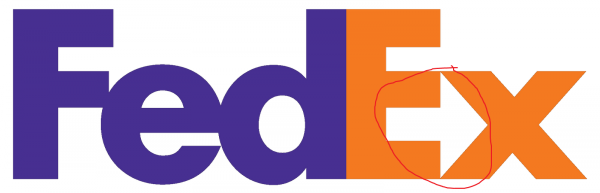
Anda tahu logo Fedex?

Logo Fedex ternyata bisa masuk dalam kajian Komunikasi Visual. Seperti ujar Dosen Komunikasi Visual saya: "Logo Fedex ini masuk kaitan Proximity atau kedekatan/singgungan, Coba lihat bagai huruf E dan X yang pertemuan kedua huruf di tengahnya membentuk panah kearah kanan"

Komunikasi Visual sering disebut dosen saya mempengaruhi pola pikir siapapun yang dekat dengan logo tersebut. Kenapa logo Fedex seperti ini. Katanya untuk semakin mengesankan bahwa Fedex memang cepat dan terarah. Panah merupakan menunjukan arah yang jelas untuk pelayanan antar barang ini.
Saya sedikit ingin menambah dengan teori komunikasi lainnya sebelum dikaitkan dengan SUCI Kompas TV. Gambar mempengaruhi pola pikir manusia dan terkadang gambar berperan dalam kehidupan kita terkadang tanpa disadari. Bukan hanya gambar tapi dalam Komunikasi, Typografi atau posisi konfigurasi sebuah gambar maupun tulisan mempengaruhi psikologis manusia. Itu yang saya dapat dari Dosen Pengantar Ilmu Komunikasi saya. Dan dia mencontohkan logo Peterpan.

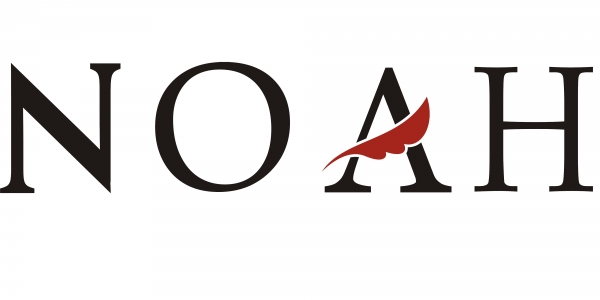
Penulisan di latin pastinya dari kiri ke kanan. Ini yang mempengaruhi kita dalam melihat gambar juga. Dosen saya bilang logo Peterpan yang bulu ini agak kurang baik karena mengibaratkan penurunan dari titik yang sangat tinggi. Arahkan mata anda ke bulu dari kiri yang berada diatas dan ikuti lekukan yang menuju ke bawah arah kanan. Gambar logo ini dikabarkan ikut berperan dalam menentukan karir Peterpan yang sangat terkenal menjadi terpuruk karena urusan personil, nama band hingga Ariel yang bermasalah.
Makanya kenapa ketika bernama Noah Band, mereka mengganti arah bulu dari ke arah kanan atas seperti dibawah ini.

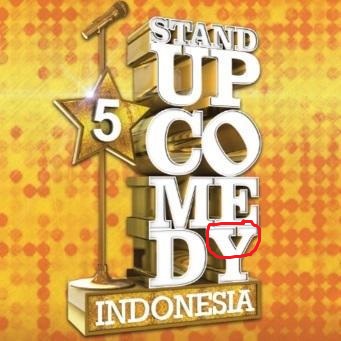
Mungkin saja mereka tahu akan pengaruh logo bulu tersebut. Ya Noah sekarang sudah lebih baik walau ditinggal Reza. Saya tetap merasa aneh bagaimana gambar atau bentuk visual melalui typografi nya bisa mempengaruhi persepsi orang lain. Hingga akhirnya saya terganggu di sekitar 5 besar SUCI 5 dengan logo SUCI Kompas TV.

Coba lihat yang saya lingkari. Itulah yang mengganggu penglihatan saya beberapa minggu ini. Ya singgungan antara bawah huruf E dan Y membuat adanya ruang kosong yang membentuk arah panah ke bawah. Panah itu mengarahkan ke suatu hal dan atas ke bawah itu kurang baik. Jika panah kearah bawah. Saya tidak tahu harus bilang apa. Tapi jika di ranah Komunikasi Visual ini kurang baik.
Saya memang sempat merasa kualitas SUCI mulai berkurang. Bagaimana SUCI terkesan melahirkan Bintang bukan Stand Up Comedian yang benar-benar terus bertumbuh. Banyak Juara SUCI akhirnya menjadi pemain film dan jarang terlihat se-wah dulu lagi saat Stand Up. Mohon maaf mungkin David masih bisa dibilang baik. Tapi Kemal Palevi? sempat bermasalah di SUN Bekasi bertema Takeshi Castle. Ge Pamungkas menurut saya menurun terus materinya tidak seperti di SUCI 2. Fico kehilangan materi karena terjebak dengan kepolosannya di SUCI 3. Itu beberapa contoh Komika yang akhirnya lebih sering malang melintang di dunia hiburan lainnya dan tidak segemerlap dulu kala masih di SUCI alias hilang pesona sebagai Stand Up Comedian. Memang saya pernah baca dari Stand Up Comedian diluar (Saya lupa siapa) Tapi dia bilang bahwa Stand Up Comedy adalah jalan menuju dunia hiburan lain seperti Aktor, Sutradara maupun Bintang Iklan. Bisa kita lihat Robin William, Jim Carrey, Conan O'Brien, David Letterman ataupun Jerry Seinfield adalah mengawali karier sebagai Stand Up Comedian tapi ketika mereka sibuk aktor, bermain sketsa maupun host acara tetap saja ketika membuat show stand up mereka menjaga dengan baik kualitasnya.
Tapi saya tidak mau menganalisa bahwa hanya karena logo bisa mempengaruhi bagaimana nantinya sebuah program acara, produk maupun brand apapun. Apakah benar ada kaitannya logo SUCI Kompas TV dengan beberapa penurunan kualitas hasil dari Kompetisi mereka? Wallahualam. Saya menjelaskan ini hanya ingin menjelaskan bahwa Komunikasi Visual membuat kita melihat sisi lain dari suatu hal yang bisa saja membuat kita tidak sadar dengan apa yang sebenarnya menjadi bagian di diri kita. Manusia suka dengan visual karena mata kita berperan 75% dalam menerima informasi. Sehingga peranan Komunikasi Visual mempengaruhi apapun yang tertanam di mindset kita. Sama seperti kenapa gambar makanan fastfood lebih banyak yang logonya menggunakan merah atau kuning. Kenapa warna hitam dan putih lebih banyak dipilih sebagai warna dominan di mobil. Disitu peranan Komunikasi Visual muncul.
Semoga tulisan ini bukan menjadi beban untuk Kompas TV yang punya SUCI. Saya yang merupakan Stand Up Comedian yang lahir dari Komunitas Stand Up Comedy Indonesia Banda Aceh @StandUpIndoBNA berharap tulisan ini harus menjadi pemicu bahwa Komika yang lahir dari SUCI bisa terus bertumbuh sebagai Stand Up Comedian yang tangguh dan tidak lupa buat membesarkan terus Stand Up Comedy sebagai bagian perkembangan Seni Komedi di Indonesia. Kita perlu kompetisi untuk menghasilkan bakat baru tapi jangan sampai bakat ini hanya terasah di kompetisi karena adanya karantina tapi ketika keluar kita tidak tahu apa jadinya.

Dikutip dari tulisan Viva La Komtung!


10 Komika Indonesia Terfavorit 

Kalian pasti sudah tidak asing lagi dengan jenis hiburan yang bernama "Stand Up Comedy", Stand Up Comedy atau yang biasa disebut dengan Komedi Tunggal adalah salah satu genre profesi melawak yang pelawaknya membawakan lawakannya di atas panggung seorang diri, biasanya di depan pemirsa langsung, dengan cara bermonolog mengenai sesuatu topik. Orang yang melakukan kegiatan ini disebut pelawak tunggal (bahasa Inggris: stand-up comedian), komik, komika, atau komik berdiri (komik tunggal).

Komedi tunggal biasanya dilakukan oleh satu orang (ada juga yang berbentuk grup), membawakan materi yang original atau dibuat sendiri (ada juga yang membawakan lawakan umum), dan biasanya dilakukan di kafe - kafe. Orang yang melakukannya dinamakan Stand Up Comedian, Stand Up Comic, atau hanya disebut Comic. Biasanya para Comic membawakan materi mereka dengan gaya monolog, walaupun ada beberapa jurus yang mengharuskan mereka berinteraksi dengan penonton.

Berikut adalah 15 Komika Indonesia yang paling banyak di favoritkan menurut pembahasan diberbagai media;
1. Raditya Dika
Dikalangan muda mungkin nama ini sudah tak asing lagi, siapa yang tak kenal dengan Radit, seorang Writer, Blogger, dan Comic ini yang mendadak terkenal karena kepiawaiannya dalam menulis terutama tulisan jenaka. Kini dia menjadi sosok yang populer dan mempunyai banyak penggemar, khususnya ditwitter jutaan follower sudah ia dapatkan. Ribuan kopi buku jenaka karyanya sudah menjadi konsumsi publik dan telah menjadi Best Seller Indonesia.

2. Roni Imannuel (Mongol)

Siapa yang pernah mendengar istilah KW (kaya wanita)? Mongol yang orang Manadolah sang pencetusnya, dia selalu memakai kata-kata tersebut dalam setiap shownya, dia menamakan dirinya dengan julukan Pakar KW yaitu orang yang mengetahui ciri-ciri KW atau istilahnya Banci. Dia juga sangat piawai untuk mempraktekan tingkah laku orang KW dan itu membuat penonton geli dan akhirnya tertawa terbahak-bahak. Selain itu dia juga selalu menyapa penonton dengan nama COY dan akhir-akhir ini rating Mongol melejit karena shownya di Metro TV.

3. Ryan Adriandhy

Dia adalah juara pertama Stand Up Comedy Indonesia season pertama, seseorang yang selalu mencoba menjabarkan struktur dan alur dalam sebuah permasalahan dengan menggunakan konstruksi berpikir (sok) ilmiah yang dikombinasikan kemampuan membolak-balikan logika permasalahan yang sedang dibahas. Siapa yang menyangka sesosok manusia tubuh kecil ini dapat memancing tawa yang begitu besar di hadapan ratusan, bahkan ribuan orang.

4. Soleh Solihun

Orang yang sudah tidak awam lagi dengan dunia jurnalistik hampir tujuh tahun ia menekuni pekerjaan tersebut,namun yang membuat namanya melejit di permukaan adalah ketika ia menjadi presenter di Radio Show TV One.kemudian dia di ajak oleh Pandji Pragiwaksono bergabung di Cafe Comedy miliknya dan pada akhirnya diajak oleh stasiun TV swasta dalam program Stand Up Comedy Metro Tv.Ia mulai berbakat menjadi Comic sewaktu ia sering menjadi MC saat ia kuliah di Universitas Padjajaran jurusan Komunikasi Jurnalistik,namun ia berbakat melucu karena sewaktu kecil mengidolakan Alm.Zainuddin MZ.

5. Pandji Pragiwaksono

Dulu di stasiun TV ANTV ada salah satu program yang namanya Kena Deh, yah betulll dialah yang membawakan acara tersebut,kini ia menjadi Comic Stand Up Comedy karena keikutsertaannya dalam kompetisi Stand Up Comedy Indonesia yang diadakan oleh Kompas TV dan kini ia sering menjadi tamu,dan presenter di Metro TV seperti Pro Active dan Stand Comedy.


6. Ge Pamungkas


Juara pertama Stand Up Comedy Indonesia season dua, dan komika yang paling ganteng.

7. Kemal Palevi

 
Siapa sangka menjadi juara tiga di Stand Up Comedy Indonesia Season 2 mengantar Kemal Palevi pada dunia akting? Yup, Kemal memulai karier di dunia akting dengan membintangi sinetron Heart Series 2 dan film Crazy Love. Kemal merupakan salah satu komika yang berhasil membuktikan bahwa menjadi seorang komika akan membuka jalan selebar-lebarnya untuk masa depan para komika.

8. Babe Cabiita

Menurut Babe hanya ada 4 hal yg bisa buat org lupa diri : HARTA, TAHTA, WANITA, dan BABECABITA.

9. Fico Fahriza


Hai, ini saya, Fico Fachriza yang dikenal tampan oleh banyak manusia lain nya. saya mau ngerjain tugas nih. bantuin wey!! eh gak usah deh, gampang tugasnya. cuma disuruh bikin link. sebentar juga selesai. Begitulah kalau Fico memulai melakukan Stand Up Comedy, dengan teory ajaibnya dia bisa menghipnotis orang yang sedang menontonnya.

10. Gilang Bhaskara

Nama Gilang Bhaskara kayaknya udah ga asing lagi ya buat para Stand Up Comedy Enthusiast. Yap, Gilang Bhaskara adalah Grand Finalis Stand Up Comedy Indonesia 2. Comic asal Bandung ini terkenal banget dengan kecerdasannya dalam bikin dan ngebawain materi jokes-jokesnya. Materi-materinya observatif banget, seputar fakta kejadian sehari-harinya, dan dikemas dengan tampilan yang sangat lucu.


Stand Up Comedy Show Metro TV

Stand Up Comedy Show Metro TV adalah acara hiburan yang menampilkan pelawak tunggal (komika) yang ditayangkan oleh stasiun Metro TV. Acara sejenis, yang ditayangkan dalam bentuk kompetisi, ditayangkan oleh Kompas TV dengan tajuk Stand Up Comedy Indonesia (SUCI). Kedua stasiun televisi tersebut membuat acara dengan tema yang sama tetapi format kompetisi dan nama acaranya berbeda.

Stand Up Comedy Show & Battle of Comic (Metro TV)

Acara ini dimulai pada 22 September 2011 dan tayang setiap hari Selasa hingga Kamis pukul 22.30 WIB. Format kompetisi Stand Up Comedy Show ini adalah dimana para komika yang diundang pada hari itu dipanggil keatas panggung lalu bermonolog mengenai sesuatu topik dengan candaan berdasarkan ciri khas masing-masing para komika dan setelah semua komika telah selesai, penilaian akan dilakukan berdasarkan tepukan tangan dari penonton, sedangkan Battle of Comic memiliki format dimana para komika diberikan tema yang disediakan pada hari itu dan masing-masing komika harus mengolah tema tersebut menjadi suatu lawakan dengan waktu yang ditetapkan.

  • Muhadkly Acho
  • Jui Purwoto
  • Sam D. Putra (Sammy Notaslimboy)
  • McDanny (Dani Jaya Wardana)
  • Mongol Stres
  • Soleh Solihun
  • Arief Didu
  • Dede Kendor
  • Andi Wijaya (Awwe)
  • Adjis Doa Ibu
  • Krishna Harefa
  • Ence Bagus
  • Bintang Timur
  • Rizky Firdaus Wijaksana (Uus)
  • Abdel Achrian
  • Isman H. Suryaman (Isman)
  • Iwel Wel
  • Redemptus Wicaksono
  • Raditya Dika
  • Pandji Pragiwaksono
  • Ernest Prakasa
  • Vikri Rasta
  • Ge Pamungkas
  • Pras Teguh
  • David Nurbianto
  • Miund
  • Cak Lontong
  • Mudy Taylor
  • Heri Horeh
  • Simson Rarameha (Temon)
  • Pawpao
  • Boris Thompson Manullang (Boris Bokir)
  • Radit Vent
  • Kemal Pahlevi
  • Arya Novrianus
  • Wati Salsabilla
  • Wisben Antoro
  • Ryan Adriandhy
  • Mohamad Ali Sidik (Mo Sidik)
  • Alonkie
  • Tomy Malewa
  • Andi Gunawan (Ndigun)
  • Panca Atis
  • M. Fauzi Saleh (OJI MD)
  • Ricky Wattimena
  • Ervan
  • Zarry Hendrik
  • Lolox (Nugroho Ahmad)
  • Setyawan Yogi
  • Kukuh Adi
  • Asep Suaji
  • Kemal Givari
  • Benidictus Siregar (Benedict)
  • Anang Batas
  • Yanto Blek
  • Dicky Chandra
  • Nurul Qomar
  • Sylvester Aldes
  • Anggi Rianata
  • Ustadz Ambia
  • Denny Gitong[1]

 Daftar Nama Juara Stand Up Comedy Season 1, 2 dan 3


Stand Up Comedy adalah suatu lawakan yang dilakukan dengan berdiri dan biasanya membahas hal-hal yang janggal pada pikiran para Comic (Peserta Stand Up). Lawakan ini jelas sangat berbeda dengan yang lain secara ber-grup. Lawakan ini terlihat lebih kreatif, karena setiap Comic yang menulis Materinya sendiri.

Di Indonesia sendiri, sekitar 5 tahun ini adalah masa berkembangnya Stand Up Comedy. Pertama kali ditayangkan pada Siaran Televisi MetroTV dan sekarang sudah ada Acara Kompetisinya yang ditayangkan secara resmi di Kompas TV, dan yang menjadi Juri pada acara tersebut adalah Raditya Dika, Indro Warkop.

Stand Up Comedy Indonesia yang ditayangkan di Kompas TV ini sudah habis 3 Season, dan sekarang sedang berlangsung Season yang ke-4. Saya paling suka menonton Acara Stand Up Comedya Indonesia yang disingkat menjadi SUCI ini secara Live Streaming di Mivo TV setiap malam kamis.

Juara Stand Up Comedy Indonesia

Di 3 Season sebelumnya, pastinya sudah didapatkan 3 Comic yang menjadi juara pada kompetisi tersebut. Nah di artikel ini akan saya informasikan siapa saja yang sudah menjadi juara stand up comedy Indonesia di season 1 sampai 3.

Berikut merupakan daftar nama-nama pemenang SUCI season satu, bisa langsung anda lihat pada tabel yang ada dibawah ini.
 SEASION 1
1. Ryan Adriandhy
2. Ihsan Nur Akbar
3. Ernest Prakasa

SEASION 2
1. Ge Pamungkas
2. Gilang Bhaskara
3. Kemal Palevi

SEASION 3
1. Babe Cabiita
2. Fico
3. Arie Kriting

Nah itulah Daftar Nama Pemenang Stand Up Comedy Indonesia mulai dari season  1, 2 dan 3 yang diselenggarakan oleh Kompas TV - Inspirasi Indonesia. Sekarang ini sedang berlangsung Stand Up Comedy Indonesia season 4. Dan peserta yang masih bertahan adalah Dodit Mulyanto, Dzawin, Abdur, Liant, David dan Hifdzi, yang setiap peserta memiliki keunikan masing-masing. Dan saya paling suka dengan Dodit Mulyanto dan Dzawin, bagaimana dengan Anda ?

Oke, mungkin cukup sekian informasi yang bisa saya berikan untuk anda semua mengenai SUCI. Karena Artikel ini merupakan artikel yang berkelanjutan, maka Insya Allah akan terus di update secara berkala. Terimakasih sudah mampir dan membaca artikel denga Judul Daftar Nama Juara Stand Up Comedy Season 1, 2 dan 3.


Tuesday, 3 November 2015

The 25 Best Stand-Up Comedy Specials on Netflix Instant


Everyone knows Netflix has an enormous selection of movies, TV shows and documentaries ready for you to stream at a moment’s notice, even if it might take a little longer than a moment to decide what you want to watch. What often goes unappreciated is its impressive collection of stand-up comedy specials. If you’re in need of a laugh but don’t want to jump into a TV series or sit through a two-hour movie, Neftlix offers hours of stand-up from everyone from Richard Pryor to Rob Delaney. We’ve combed the archives to come up with our favorite 25 specials that are available to stream right now, tonight, this weekend, or whenever you feel like laughing your ass off.
25. John Hodgman – Ragnarok
Filmed on the eve of the Mayan Apocalypse in 2012, Hodgman acknowledges that the fear of the end of the world is very common, but the way he celebrates it will only be fully appreciated by a chosen few. Beneath the steely veneer of John Hodgman’s millionaire shtick lies a comedian who’s part of a very special club, the kind that is always accepting new members. It helps if you’re someone who knows what Ragnarok is, in which comic book it is prominently featured and who is famous for drawing that comic book. It helps more if you’re someone familiar with ambergris and could also hold an extended debate about the intricacies of Watership Down. Most of all, it’s going to help if you’re not the kind of person to be put off by sober musical interludes and singalongs right out of A Prairie Home Companion. If that sounds like you, then there’s a very special place for you in the shade of Hodgman’s formidable goatee. —Tristan Cooper

24. Iliza Shlesinger – War Paint
Dallas, Texas isn’t typically a city where comics choose to tape their stand-up specials, but it made sense for Iliza Shlesinger, who was born and raised in the Big D before going on to win Last Comic Standing in 2008. But Shlesinger isn’t as polite as you might expect someone from someone from the South. She’s coarse, irreverent and unapologetically everything. She does voices—including a terrifying demonic one—to add color to jokes and no subject is off limits. The special is called “War Paint” for a reason. —Ryan Bort

23. Lewis Black – Old Yeller
Lewis, we’re here today because we’re worried about you. Not about your standup routine—after all these years, we still love hearing you rail against everything from congress to social media. Your explosions are hilarious in a way only a rabid toothless bulldog can be, but we have to imagine that the festering rage is slowly poisoning you. At this point, a submarine diving into the Mariana Trench is less pressurized than the blood festering in your veins. While that boiling anger is part of what we love about you, we could take a few less flare-ups if it meant we could keep you around a little longer. —Tristan Cooper

22. Gary Gulman – In This Economy?
There’s a gentle smile after every one of Gary Gulman’s punchlines on In This Economy. Gulman’s the master of a semi-sarcastic deadpan observation, taking simple obvious statements—like the fact that a MegaMillions jackpot winning streak for 600 consecutive weeks is “very rare”—and deploying them with precise timing and delivery to make them profound. Gulman’s letting you know that he’s in on the joke, and that you’re in on it with him. You’re in this together, and that camaraderie carries you through In This Economy as Gulman dissects differences between billionaires, re-watching The Karate Kid and ways to save money. That quick grin is something you don’t get on the album version of the special, and it’s a perfect illustration of why stand-up is about much more than the jokes you write: it’s performance art. —Casey Malone


21. Jim Norton – American Degenerate
Jim Norton is just asking for you to get offended. Literally. The title of his 2012 special is Please Get Offended. For its follow-up, 2013’s American Degenerate, Norton hasn’t pulled his foot off the gas one iota, and it doesn’t take very long for this realization to set in (i.e. his first joke is about wanting to have sex with Casey Anthony). For the next hour Norton goes into the creepy (and hilarious) details of his many sexual perversions, notes how impressive it was that John Travolta could “swing his asshole open like saloon doors” and, well, a lot more filthy, raunchy sex stuff that most people wouldn’t even dare to think about, much less discuss it in front of a theater full of people. It makes you recoil and laugh hysterically at the same time, and as long as the latter is true, Norton is doing his job. —Ryan Bort

20. Rob Delaney – Live At The Bowery Ballroom
The King of Twitter Comedy rose to fame through the 140-character medium and now has almost one million followers. He now does comedy full-time and his first big standup special is last year’s Live At The Bowery Ballroom. Delaney takes his fans through graphic, yet hilarious, adventures (most of which have to do with the human body and/or bodily functions). —Eric Gossett

19. Kevin Hart – Seriously Funny
Comedian Kevin Hart made Seriously Funny back in 2010. Filmed in Cleveland, Ohio, Hart tells stories about the difficulties of fatherhood and the dangers of fighting. Prior to making Seriously Funny, Hart had already made a name for himself with appearances in movies like The 40 Year-Old Virgin, Scary Movie 4, and Death At A Funeral. —Eric Gossett

18. Dana GouldLet Me Put My Thoughts In You
For more than a decade, alternative comedy godfather Dana Gould skirted mainstream recognition before releasing his first live stand-up special in 2009. A writer for The Simpsons for seven years, much of the show’s sensibility comes out in Gould’s Let Me Put My Thoughts In You, an irreverent, gleefully lexical takedown of modern culture and everyday life. That’s not to say his act isn’t original: after all these years there’s still no crank quite like Gould. —Hudson Hongo

17. Reggie Watts – Why $#!+ So Crazy?
Reggie Watts is a man of many talents. His greatest, by far, is comedy. He is most famous for his part in the IFC show Comedy Bang Bang. Watts has spent years writing, playing music and doing comedy bits for a number of programs. His special Why $#!+ So Crazy?, is by far one the best things he’s ever done. Released in 2010, Watts performs a set of witty hip-hop comedy songs in Brooklyn, NY. —Eric Gossett


16. Bill Burr – You People Are All the Same
Watching Bill Burr is like reading the world’s only self-aware YouTube comment. His routine can be (and often is) crass, crude and even ignorant, but it’s always cut with moments of clear-headed reflection. It’s even more evident in You People, in which Burr’s biggest bit wades into domestic abuse and its motives. Every time Burr veers close to a victim-blaming Men’s Rights tirade, he pulls back and lets his own humility ground him in reality. You can feel the audience’s queasiness as the pendulum swings each way, and Burr loves to call them out on it, reveling in the palpable unease. For most everyone else, saying “I’m just asking the question!” usually comes right after a copy-pasted truther manifesto, but here it’s a genuine (if exasperated) exclamation. In an age of daily social media flare-ups, Bill Burr is the thoughtful troll the Internet deserves. —Tristan Cooper
15. Maria Bamford – The Special Special Special
Lots of comics are celebrated for their perceived “edginess,” but few performers are willing to go to the avant garde extremes of Maria Bamford. In The Special Special Special, Bamford lays bare comedy’s Freudian core by recording an entire hour-long set in front of her parents (and only her parents) in her childhood home. The result is something like an HBO special as directed by David Lynch and one of the most original stand-up performances in recent memory. Whether The Special Special Special ultimately comes off as adorably intimate or just unsettling is up to the viewer, but either way it’s a hell of a high-wire act. —Hudson Hongo
14. Marc Maron – Thinky Pain
Is Marc Maron finally likable? Maron’s always been an incredible comedian and, in recent years, a talented and insightful interviewer on his podcast WTF. But those skills always came under a rage-filled veneer as Maron’s on-stage persona lashed out at the world around him, the women he dated and the goings on in his head. It was hilarious but a little off-putting. The Marc Maron in Thinky Pain is gentler, bringing a humility to his heady, introspective comedy that’s a welcome change. Starting with an anecdote about comedy legend Bill Hicks and continuing onto Maron’s fears of being an old dad or his midlife crisis, Thinky Pain still showcases all the best parts of Maron’s comedic voice, it’s just speaking a little softer. —Casey Malone
13. Eddie Murphy – Raw
Eddie Murphy ruled the standup world in the 1980s. His two specials, Delirious and Raw, are among the crudest and most sensational standup acts ever recorded. Delirious became well-known as the stand-up special that contained roughly 230 uses of the word “fuck,” while Raw comes in second around the 220 mark. Eddie Murphy, 26, recorded Raw at New York City’s Felt Forum at Madison Square Garden. In this classic performance, Murphy tells stories being lectured by Bill Cosby, not getting McDonald’s as a child, and the problems with American women. Not to mention his purple leather suit was about the most ‘80s thing anyone could ever put together. —Eric Gossett

12. Zach Galifianakis – Live at the Purple Onion
Galifianakis is one of the most unique comedians of our time and this tour documentary shows him at the peak of his stand-up career. The Purple Onion was the perfect place for this to be filmed. It’s a small, intimate room and it gives Zach the freedom to be loose with his material. But what makes this film stand out are the scenes spliced in between the stand-up. Watching Zach travel, make his friend try on dresses and interact with a redneck is just as fun as watching him perform. Three short years before The Hangover films made him a household name this fascinating documentary shows a comedian on the rise. —Chris Donahue

11. Aziz Ansari – Intimate Moments for a Sensual Evening
I remember watching and taping this special when it premiered on Comedy Central. I then remember rewatching this special with my college roommates at least 50 times for the next three months. Aziz recorded this special at the impressively young age of 26 and in it he covers everything from his cousin Harris to hanging out with Kanye West, before finally closing out with his experience at an R. Kelly show. Needless to say, this was one of my favorite specials when it came out and it still is. —Chris Donahue

10. Jim Gaffigan – Beyond The Pale
Beyond The Pale was Jim Gaffigan’s first big standup special that launched his career as a big-time, standup comedian. Released in 2005, this was the special that introduced the “Hot Pocket” routine, along with an additional hour of hilarious classics. —Eric Gossett

9. John Mulaney – New In Town
John Mulaney’s New In Town starts silly and doesn’t stop. Mulaney’s boyish energy and looks couple with his goofy inflection to give the entire special a high energy that the comic gently grounds by focusing on his life. Mulaney digresses, but each joke—including the definitive Ice-T on Law & Order: SVU routine—is so deftly weaved into the larger story that you never feel a single segue. Instead of a well-rehearsed performance, New In Town feels like an old friend showing up to dinner with stories he can’t wait to tell you. As a special bonus to those who would watch the special rather than listen to the record, the opening credits are done up like an early eighties sitcom, with a theme by Reggie Watts. —Casey Malone

8. Louis C.K. – Chewed Up Louis C.K.’s 2008 special Chewed Up is definitely one of his strongest. Filmed at the Berklee Performance Center in Boston, Mass., C.K. covers everything from the difference between girls and women to destroying his body by eating copious amounts of Cinnabon. —Eric Gossett

7. George Carlin – Back In Town
George Carlin is in fine, cantankerous form in his 1996 HBO special Back In Town. And I do mean cantankerous. Like much of Carlin’s latter-day output, Back In Town can border on a soapbox screed. Of course, it’s also funny as hell. Carlin gets right into it by taking on abortion, eviscerating conservatives who give more credence to fetuses than those breathing oxygen. “If you’re pre-born, you’re fine, if you’re preschool, you’re fucked.” He also takes aim at the death penalty, suggesting we ramp it up, but direct it toward the right offenders. Carlin takes a few digressions from real life to talk about farts, and to run down the “24 minor cultural items I’m bored with, tired of, and pissed at.” The funniest of these being white guys over 10 years of age, who wear their baseball caps backwards. “You’re never going to be as cool as black guys. You’re white, and you’re lame,” he says, adding. “It’s the law of nature.” Yep, Carlin was so good, this special is as relevant today as it was two decades ago. —Mark Lore

6. Eddie Murphy – Delirious
Before Eddie Murphy came on to the scene, no other comic had the audacity to take the stage in tight, red leather. Delirious is Murphy’s masterpiece—a snapshot of fearless 22-year-old not giving a fuck about anything. Of course, this was 1983, and some of Murphy’s attitudes towards women, homosexuals and AIDS were dated to say the least (he’s since apologized for some of the material). To modern ears, this is caustic stuff (and interesting from a sociological standpoint). But the real highlights here are Murphy’s firecracker energy and his spot-on impressions of James Brown, Elvis and Stevie Wonder, as well as his own exaggerated tales of growing up. But despite its warts, Delirious is still a monumental stand-up performance—it’s clear who Murphy idolized, and who he would influence in the years to come. And with its off-color moments, the fact we’re still talking about it three decades later says something for Murphy’s genius. —Mark Lore

5. Aziz Ansari – Buried Alive
Aziz Ansari’s take on marriage is one of the highlights of his comedy special Buried Alive. His breakdown is pretty spot-on as he invites the audience to imagine the process if there weren’t centuries of tradition attached to it: “I want to keep hanging out till one of us dies. Put this ring on your finger so people know we have an arrangement.” In his third major special, the Parks and Recreation star digs into some pretty standard comedy tropes for a guy who just turned 30—online dating, gay marriage, having kids… dick pics. In doing so Ansari strikes a perfect balance between charm and raunch, and he lets it fly like any good comedian should. I have to say the best moment of Buried Alive comes when Ansari asks a gentleman in the front row how he proposed. Turns out his wife didn’t immediately answer on account of the breadsticks arriving at the table of a “five-star” restaurant. Needless to say Ansari pounces on it like a pro. —Mark Lore

4. Mike Birbiglia – My Girlfriend’s Boyfriend
Sleepwalk With Me, Mike Birbiglia’s one-man show about a tough break-up and sleep disorder that he eventually adapted to a book and feature film, looked for a while like the defining work of his career. And yet My Girlfriend’s Boyfriend manages to improve on Sleepwalk in almost every way. In it, Birbiglia tells us about coming to terms with the compromises in his romantic relationships, both today and as a teenager, as well as his views on marriage after the events of Sleepwalk, and it’s all wrapped in the story of a terrifying car accident that turns into a bureaucratic nightmare. Birbiglia’s an incredible storyteller, jumping from the present to his adolescence and to the recent past seamlessly, never dropping a thread and using every small tale to reinforce the larger story. —Casey Malone

3. Richard Pryor – Live on the Sunset Strip
A landmark concert film, 1982’s Live on the Sunset Strip is also one of the great comeback stories in stand-up history. A mere 18 months after setting himself on fire in a drug-related suicide attempt, Pryor waves a match in front of
his audience and jokes, “What’s that? Richard Pryor running down the street.” Long known for his frank and hilarious observations, Pryor is equally uncompromising when he puts himself under the microscope, discussing his cocaine addiction and recovery at length. Not all of Pryor’s subjects are that grim, of course. “I was gonna talk about something that’s very serious,” Pryor opens his set, “and I hope no one gets offended. I wanna talk about fucking.” —Hudson Hongo

2. George Carlin – Jammin’ in New York
For quintessential George Carlin (and the special he considered his personal favorite), turn to Jammin’ in New York, an undeniable classic in the controversial comic’s canon. Ripe with Carlin’s signature political commentary and studies of semantics and humanity, it is incredible how fresh the jokes remain some 20 years after the special’s release. From his microscopic breakdown of pre-flight announcements to a hilarious weigh-in on the planet’s desire for plastics, Carlin’s passionate oration is at its peak here. Balancing staunch politics and a unparalleled ability to dissect the second-hand aspects of our culture, Jammin’ in New York proudly displays Carlin’s voice of reason that, despite inspiring many contemporary comedians and social critics, remains unmatched in popular culture today. —Maren McGlashan

1. Louis C.K. – Hilarious
As a divorced 40-something white man, Louis C.K. has made self-deprecating storytelling and socially conscious humor into an art close to poetry. With his 2009 stand-up concert Hilarious, he was in full stride, riffing about the differences between Hitler and Ray Charles, mocking the overuse of the word “genius” and sharing the special moment when he saw his three-year-old daughter take a shit in front of him. But nothing beats his tirade about society’s disgruntled relationship with technology, saying that all of today’s groundbreaking advances are “wasted on the shittiest piece of shit assholes.” He’s a genius—and I really mean that. —Dino-Ray Ramos


OPEN MIC

Poetry and spoken word

Poetry and spoken word open mics feature a host, who is normally a poet or spoken word artist, poets and spoken word artists, and audience members. A sign-up is done before the show begins, so that the host has a list of names to call from. Poetry/spoken word open mics are laid back, serene, and contain lively conversation in between readers and/or performers. They are usually held in libraries, coffee houses, cafes, and book stores or bars. Each poet or spoken word artist is often asked to keep their performances to a minimum/specified time slot, giving each performer enough time to share some of their work.

Comedy

Comedy open mic nights can be held at established comedy clubs, but are more commonly held at other venues with or without a stage, often the upstairs or back room of a pub or bar. Such nights give newer acts an opportunity to practice and improve, with a view to getting paid work. More experienced acts get an opportunity to work out newer material where the audience is not paying in anticipation of seeing their normal act. In a typical open mic night, newer acts will get three or maybe five minutes of stage time, but more experienced acts may get ten or more minutes.[citation needed]
Open mic comedy nights are most widespread in larger English-speaking cities with a well-established stand-up comedy scene, especially London and New York. In these cities, with a plethora of aspiring comedians, the greatest challenge may be in attracting a worthwhile audience.[citation needed]

Music


A musician performs open mic at No Name Bar in Sausalito, California.
These shows provide an opportunity for musicians to gain experience performing to a live audience without having to go through the process of getting normal music gigs, which is very difficult to do without experience of live performance.[citation needed]
Open mics for musicians have gained popularity in recent years providing a much-needed outlet for singer-songwriters. Prior to their popularity, the only outlet generally were folk clubs, which were not always friendly towards creators of new music, preferring traditional music. They also suggested that music performed by acoustic musicians or solo artists in this manner would necessarily be folk music, a misconception that still commonly exists today. Some organizers have chosen the title "acoustic night" or "acoustic club" in an attempt to indicate an event run broadly on the lines of a folk club, but with a much wider range of musical styles.[citation needed]
Open mic events are most commonly held in the middle of the week or at the very end of the weekend when footfall through venues is low. They rarely occur on the hallowed Friday and Saturday night time slots when venues are busy with weekend revellers and any live performance is usually specifically booked, professional artists. The most common night for a UK open mic event is Thursday, followed by Wednesday and thirdly Sunday.
In the United Kingdom, the largest ongoing open mic-styled music contest is Open Mic UK, which regularly attracts 10,000 participants of all genres. The grand prize for the contest is an investment up to £30,000. The size of the event has necessitated that all participants sign up for performance slots beforehand, instead of simply walking onstage.

Open mic blue jam, 2015
A popular open mic arrangement in the United States is the “Blues Night”. In this format a bar or club will dedicate a particular night, usually in the middle of the week, as being “open mic blues night.” The establishment will then supply a house band, typically guitar, bass and drums and performers who wish to play will sign up, usually with the mastsr-of-ceremonies, who is tasked with getting the performers on and off stage in a polite and productive manner. Since the songs chosen need to be simple enough so that a band of musicians who has not played together can perform them without practice, the blues format is the most often used. Songs might be announced as a “12 bar fast shuffle in C”, or similar phrases that should be familiar to all concerned. The guitar, bass, drum backing is the foundation of these events, but harmonica (“harp”) players, lead singers, keyboards, horn players, (usually saxophones) and various percussion instruments, conga drums, shakers, cow bells are common additions.

Rarer niche variations

The terms "open deck" (where deck refers to the kind of Turn table used by a DJ) and "open reel" (where reel refers to a 35 mm film reel) are used for more niche open mic events where keen amateurs can meet to exhibit and critique their skills/artform. A decrease in the cost of consumer video technology combined with the powerful editing capabilities of modern
PCs has caused an increase in the popularity of DJing and amateur film making but still these types of events are very rare.
View histo